

Mercy recently named Brian Day chief financial officer (CFO). Day will take on the role after more than two decades of service at Mercy, where he has consistently helped guide the organization’s financial health and planning for the future.
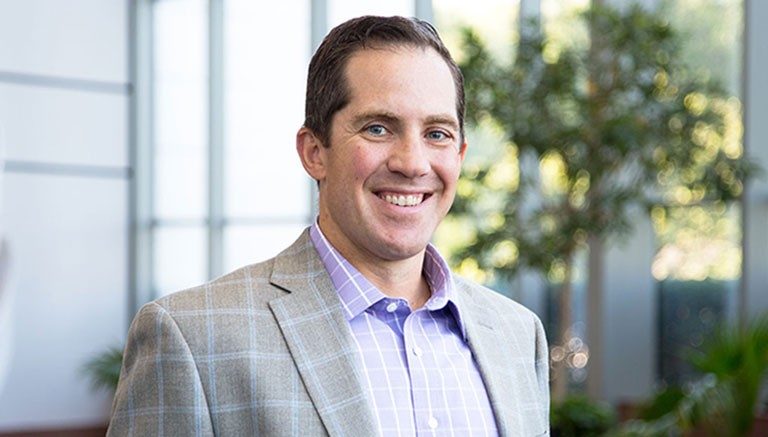
“Brian’s experience and proven leadership make him the ideal choice for CFO,” said Steve Mackin, Mercy president and CEO. “His strategic vision and commitment to our mission will ensure Mercy remains fiscally strong, which is critical for a very important reason – it will enable us to continue to deliver high-quality care to the communities and patients we serve for years to come.”
Day, who joined Mercy in 2002, most recently served as senior vice president of financial operations and planning. In that role, he managed Mercy’s finances across multiple states, worked with local leadership teams and led efforts to plan for long-term investments. He has also overseen major projects, including hospital acquisitions and integrations and financing initiatives, as well as executed more than $1 billion in public debt financing to strengthen Mercy and in turn help Mercy better serve patients.
“It’s an honor to step into this role and continue supporting Mercy’s mission,” Day said. “Our goal is simple: Make sure Mercy has the resources to provide excellent care and invest in the communities we serve. By helping more people choose Mercy for more of their care, we are increasing access to some of the highest quality, best cost care in the industry.”
Day earned a bachelor’s degree in business administration with an emphasis in finance from Truman State University in Kirksville, Missouri, and an MBA from Webster University in St. Louis. He serves on the board for Access Academies, a nonprofit that supports education in St. Louis.
Day’s appointment follows the retirement of Cheryl Matejka, Mercy’s executive vice president and CFO, who concluded her 19-year career with Mercy at the end of 2025. Matejka was a key leader in building Mercy’s financial strength and guiding the organization through challenges such as changes in reimbursement, government regulations, COVID and supply chain issues.
